- The Friday Mindset
- Posts
- Friday Mindset #199

Happy Friday!
Good Lordy we’re nearly at 200 issues. It’s roughly 30 issues per academic year… that’s a lot of years and a lot of writing. Thanks for being here with us this Friday to celebrate 199. Next week - the last issues before the half term break - is the big 200!
Some quick notices. First, your final reminder about this course, which is coming up on November 12th. Martin’s running this one remotely from 4:00pm-6:30pm. It’s run via Bath Spa University, so it’s not a freebie, but it’s good value. And you get a 15-item revision curriculum and a copy of the powerpoint!
Staff CPD sessions are now open for January 2027 onwards. We’re full up until then, so if you need some staff CPD on any aspect of VESPA, independent learning, building aspiration, encouraging effort, resilience, teaching for high grades, coaching conversations, or any of the other topics we’ve done deep-dives on over the last few years, just get in touch at [email protected] and say hello!
Something we're reading...
We read this one over the summer - a really good summary of recent developments in understanding around effective teaching and learning - but how nuances in individual studies are often lost in the process of applying findings.
The examples are good. We liked the sections on productive failure - here, research on the importance of providing students with conceptually difficult material and structured opportunities to explore potential solutions to problems… has become a sink-or-swim, throw-’em-in-at-the-deep-end and hope for the best approach.
And there’s a Salford University study on classroom environments we’ve shared here before - and an explanation of how its very specific findings have become distorted through over-sharing its simplest aspects.
Well worth a read:

Portal Talk...
We like the idea of sharing good news with parents: a student finding their feet, making positive progress or sticking with something difficult. But when we looked for research showing that positive messages home improve outcomes, we struggled to find a clear answer.
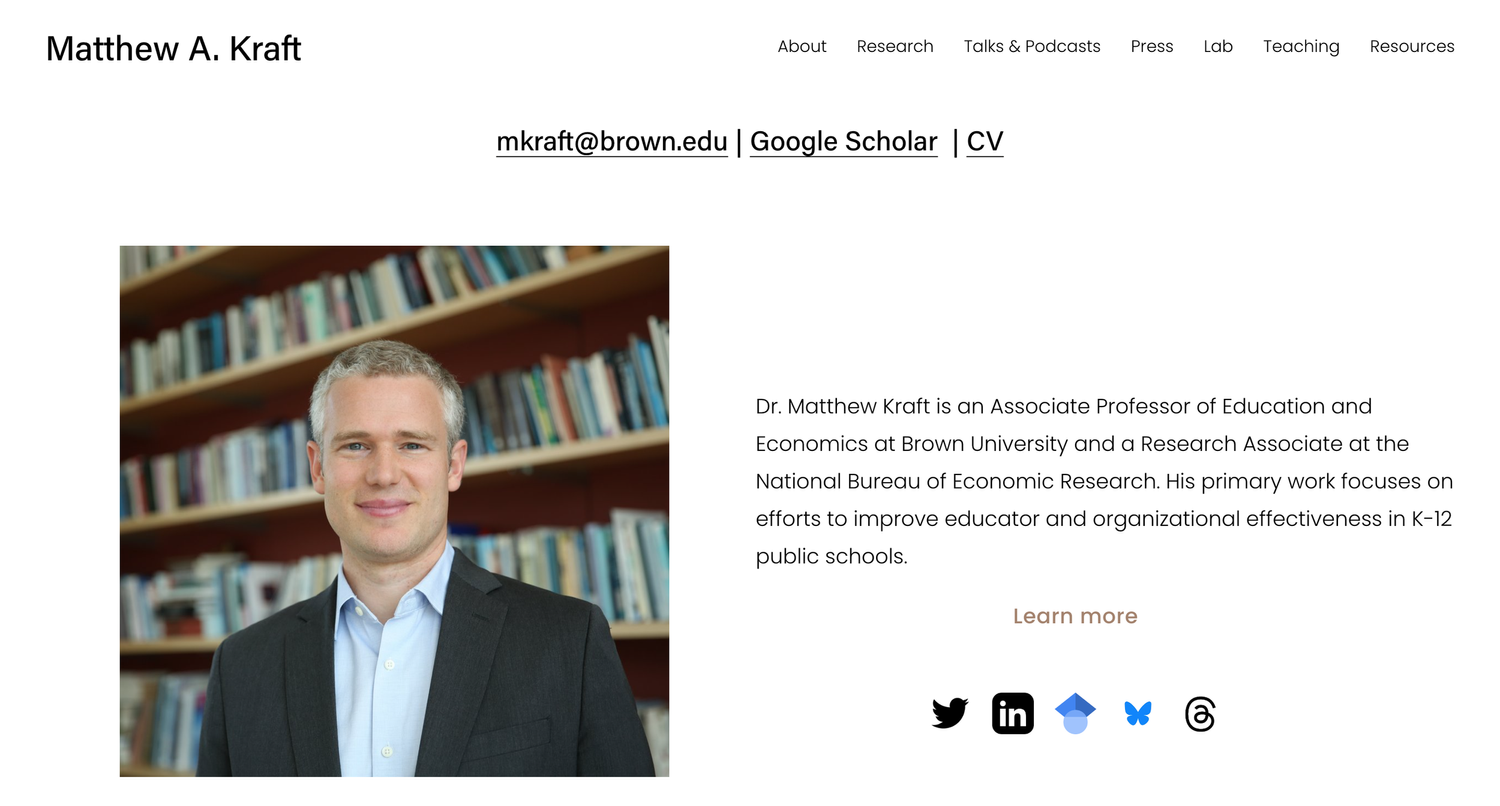
We did find an interesting US study. Kraft and Rogers (2015) looked at students attending summer classes to catch up on courses they hadn’t passed. Teachers sent parents one short, personalised message each week, either something the student was doing well or something they could improve.
Compared with students whose parents received no messages, students in the two messaging groups were less likely to finish without earning their course credits. Improvement-focused messages showed the larger benefit, although the study couldn’t establish a clear difference between the two message types. However, some encouraging evidence for keeping parents informed
In the UK, the EEF’s Texting Parents trial also found small improvements in maths and attendance when schools shared information about tests, homework and learning. Useful updates, rather than congratulations.

Essentially, share what’s going well, and give parents something worth discussing.
A little recognition, a specific habit and an opening for a conversation. Possibly even one that gets beyond “How was school?” “Fine.”
For VESPA Portal subscribers, the Staff Coaching Record makes this easy. After a coaching conversation, you can record what the student has tried, the progress you’ve noticed and the next step you’ve agreed. Those notes stay private in the portal until you choose to share them.
Click Email notes, select the conversations you want to include and add the parent’s email address. You can also write a short introduction explaining why you’re getting in touch. Recipients receive the full text of each selected conversation, so choose the notes you want them to see.
It turns a useful coaching conversation into an update home: “We discussed this, your young person is making progress, and here’s something you could ask them about.”

Also, to help you share information about VESPA with Parents, we have created a parent and carer resource pack, with a parent guide, launch flyer, editable school letter and parents’ evening briefing. The web versions can be translated and printed.
Fancy trying VESPA with your students too? Our taster pack includes tutor slides, a reflection sheet, a practical activity and delivery notes.

There is a small catch—we’re teachers, so naturally there’s a task before you get the handouts. To unlock the full taster pack, we’ll ask you to book a VESPA demo. A guided tour, with useful homework!
Already a VESPA subscriber? No demo required. Find the parent pack under Resources → Posters & Launch Materials, and the slides and student sheets under VESPA Taster Session.
Something to try...
Hello there subscribers! We’ve got a short video and powerpoint for you this week, focused on the idea of auto-pilot scheduling. It came about because we were invited on a number of separate occasions to talk to year 12 students about what study periods are for. Why not not continue to teach in every available time-slot at KS5 as well as KS4?
There are very good reasons why that doesn’t happen - but that leaves students facing the challenge of how to use study periods. There’s a very simple and useful piece of advice in today’s powerpoint. And shout-out to teacher Lewis McAll👏👏 who suggested that the Casey Neistat video would go well with this activity…

Subscribe to our premium content to read the rest.
Become a paying subscriber to get access to this post and other subscriber-only content - just £5 per month or £50 per year
Already a paying subscriber? Sign In.
A subscription gets you:
- • access to 32 full and complete issues of The Friday Mindset
- • two additional issues over the summer break
- • access to our VESPA Videos library - curated clips perfect for assemblies, presentations and tutorials
Reply